

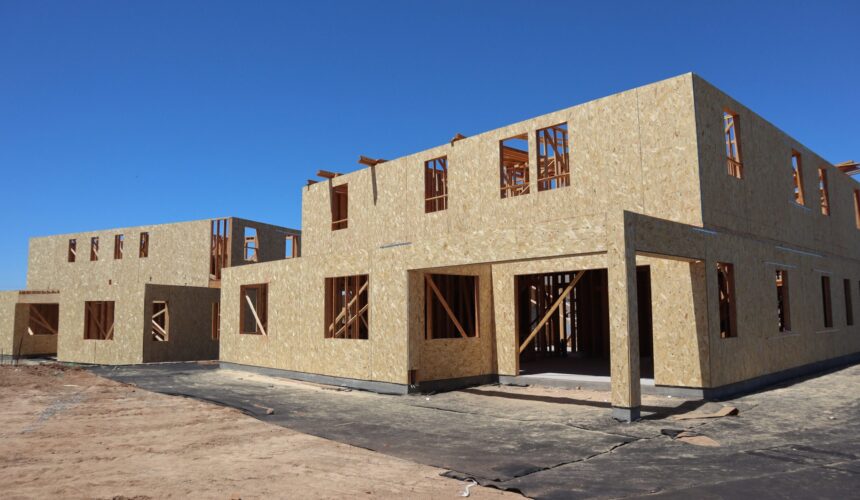
You've narrowed your search to Dallas's most desirable neighborhoods. You know you want modern design, refined finishes, and a home that reflects your lifestyle. But one question keeps surfacing: should you buy a move-in-ready spec home or commission a fully custom build?
The answer depends on how much design control you need, how quickly you want to move in, and how involved you want to be in the process. Spec home building delivers predictable timelines and curated design. Custom builds offer total personalization but require more time and decision-making. Both paths can lead to exceptional homes when executed by a disciplined team. Let's break down the differences so you can choose the approach that aligns with your goals.
What Defines a Spec Home vs. a Custom Home?
A spec home is built by a developer without a committed buyer. The builder selects the lot, designs the floor plan, and chooses finishes based on market demand and neighborhood context. You purchase the home move-in ready or during construction, often with limited finish selections.
A custom home is built for a specific buyer. You (or your builder) select the lot, hire an architect, and make every design decision from layout to cabinet hardware. The timeline is longer, but the result reflects your exact vision.
Spec Homes: Curated Design, Faster Occupancy
Spec homes aren't cookie-cutter production builds. In neighborhoods like Oak Lawn, Park Cities, and Lower Greenville, refined developers design spec homes with the same attention to detail as custom projects. You get modern architecture, high-end finishes, and thoughtful layouts without the months of decision fatigue.
The trade-off? Less flexibility. You can't move walls or swap out the kitchen layout. But for buyers who trust the builder's taste and want to move in within weeks instead of months, that's a feature, not a bug.
Custom Homes: Total Control, Longer Timeline
Custom builds hand you the pencil. You choose the lot, approve every floor plan iteration, and select each finish. Want a wine room under the stairs? A hidden pantry? A primary suite that opens to a private courtyard? All possible.
The process demands more from you. Expect 12 to 18 months from lot purchase to move-in, plus dozens of decisions along the way. Budget can shift if you upgrade materials or change the design mid-stream. But if your vision doesn't fit a standard floor plan, custom is the only path that delivers it.
Timeline: How Quickly Do You Need to Move In?
Timeline often drives the decision more than any other factor.
Spec Home Timeline
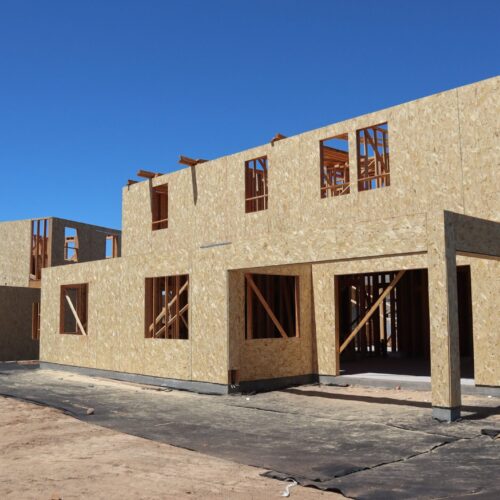
If the home is already complete, you can close in 30 to 45 days. If it's under construction, you might wait 3 to 6 months depending on the stage when you commit. Finishes are already selected. Permitting is done. The builder has locked in trade schedules. You skip the design phase entirely.
Custom Home Timeline
A custom build typically takes:
- 3 to 4 months: Architectural design, engineering, permitting
- 8 to 12 months: Construction (foundation to final walkthrough)
- Total: 12 to 18 months from concept to keys
That assumes no major design changes mid-stream and a builder who runs a disciplined schedule. In Dallas's current permitting environment, add buffer time for city review, especially in historic districts like parts of Park Cities.
If you're relocating for a job, selling another home, or simply ready to settle in, spec home building offers a predictable, compressed timeline. If you can afford to wait and want the process to unfold at a measured pace, custom rewards patience.
Design Control: How Much Input Do You Want?
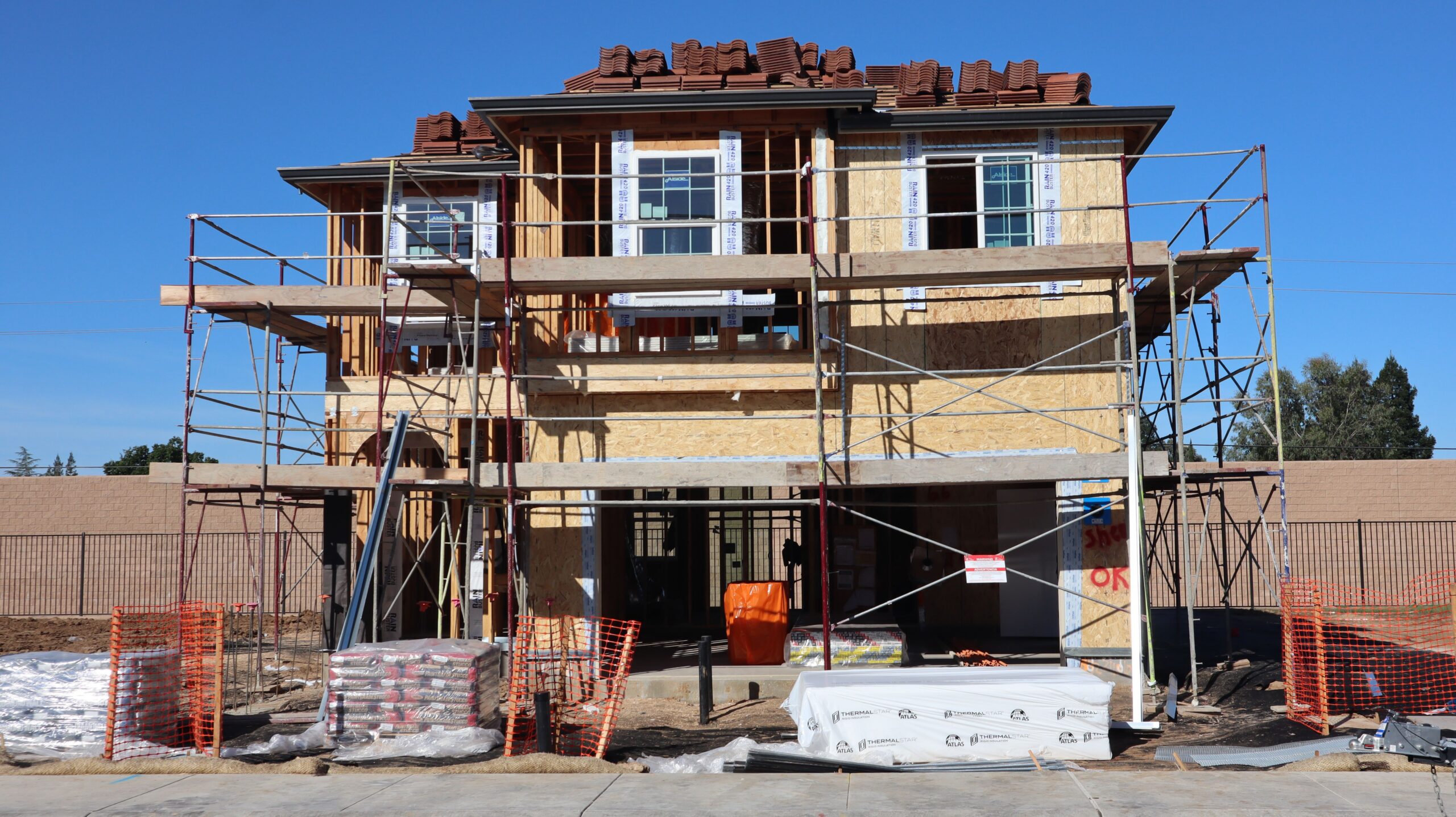
This is where personal preference diverges sharply.
What You Control in a Spec Home
In most cases, the floor plan, exterior, and structural layout are fixed. You might select:
- Paint colors (if early enough in the build)
- Countertop material within a pre-approved palette
- Backsplash tile or cabinet hardware from a curated list
- Light fixture styles in a few key rooms
Some builders allow more flexibility if you commit during framing. But the core design is set. That's the point. The builder has chosen a layout and aesthetic that appeals to the target buyer in that neighborhood. You're buying their vision, refined by 40+ years of experience in Dallas's luxury market.
What You Control in a Custom Home
Everything.
- Lot selection and orientation
- Square footage and room count
- Ceiling heights, window placement, door swing direction
- Kitchen layout, appliance brands, cabinet joinery
- Flooring material in every room
- Exterior cladding, roof pitch, landscaping
You'll make hundreds of decisions. Some buyers find that process exhilarating. Others find it exhausting. A disciplined project manager helps, but the responsibility ultimately sits with you. If you have strong opinions about how your home should live and look, custom is worth the effort. If you'd rather trust a team that's already proven their taste in neighborhoods you admire, spec delivers faster.
Budget Predictability: Fixed Price vs. Evolving Scope
Budget anxiety keeps many buyers awake at night. Spec and custom homes handle pricing very differently.
Spec Home Pricing
The price is set (or negotiable within a narrow range). You know the total cost before you commit. No surprise change orders. No mid-project material upgrades that add to the invoice. If the home is listed at a certain figure, that's your number. Financing is straightforward because the appraised value is based on a finished product.
Custom Home Pricing
Custom builds start with an estimate based on your design and finish selections. As the project unfolds, costs can shift if:
- You upgrade to premium materials (stone counters become book-matched slabs)
- You add square footage or features mid-design
- Material costs spike due to supply chain delays
- Site conditions require extra foundation work
A transparent builder provides allowances up front and tracks changes carefully. But the final number isn't locked until every selection is made and the project is bid. That uncertainty stresses some buyers. Others accept it as the cost of personalization.
For first-time luxury buyers unfamiliar with construction budgets, spec home building removes the guesswork. You tour the home, review the finishes, and know exactly what you're paying for.
Stress and Involvement: How Hands-On Do You Want to Be?
The Spec Home Experience
Low involvement. You visit the site once or twice (or tour the finished home). You review any available finish options. You close. You move in. The builder manages everything. Most buyers appreciate the simplicity.
The Custom Home Experience
High involvement. You'll attend design meetings, review architectural drawings, approve material samples, walk the site during framing, and make dozens of decisions across 12 to 18 months. A good project manager shields you from daily trade coordination, but your input is required at every milestone.
If you're running a business, raising young kids, or simply value your time, the custom process can feel like a part-time job. If you're passionate about architecture and design, it's deeply rewarding. Know yourself before you choose.
When a Spec Home Makes Sense in Dallas
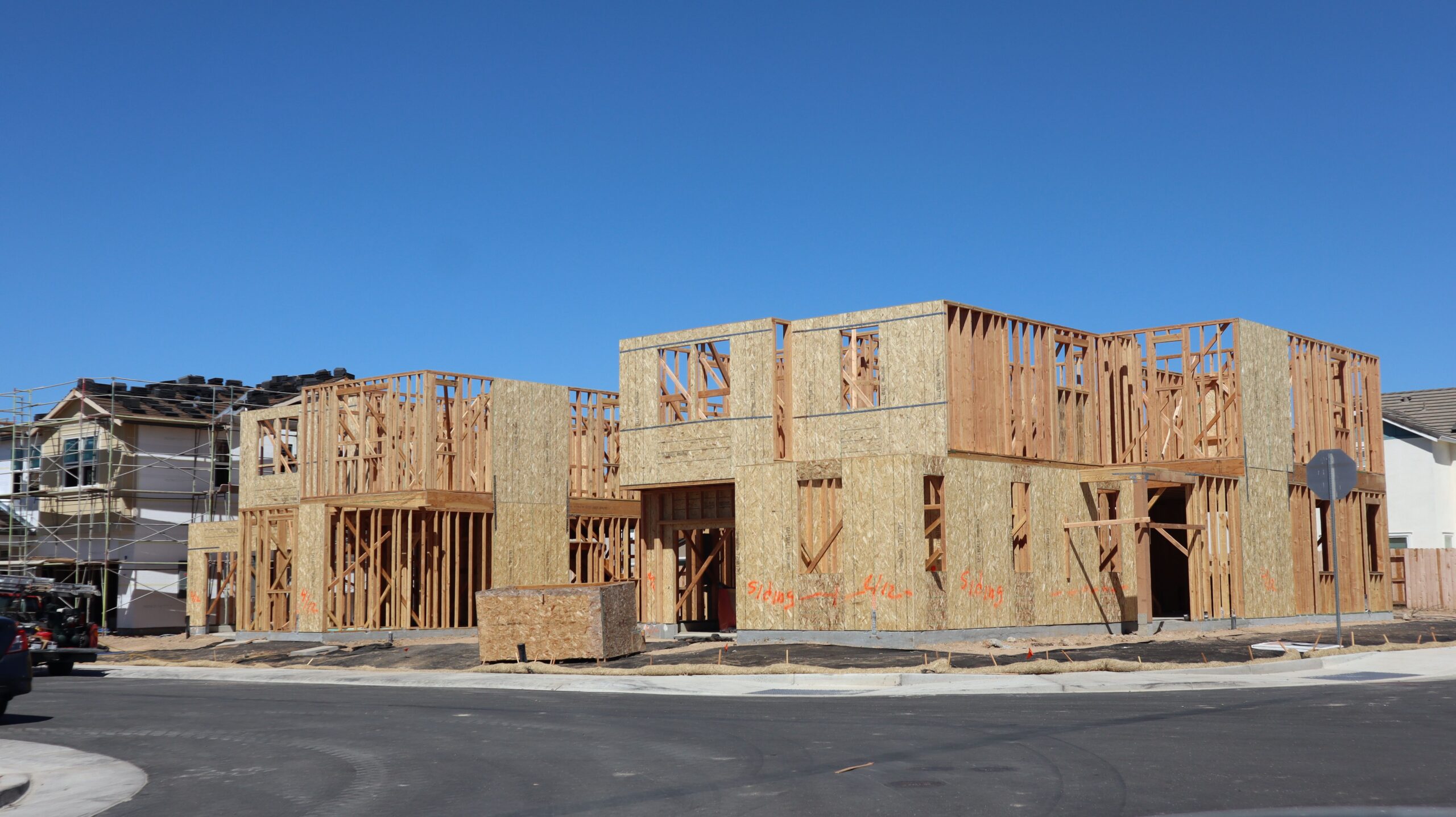
Choose spec home building if:
- You want to move in within 3 to 6 months (or immediately if the home is complete)
- You trust the builder's design taste and don't need layout changes
- You value budget predictability and a fixed purchase price
- You prefer a low-involvement process
- You're drawn to a specific finished home in Oak Lawn, Park Cities, or Lower Greenville and it checks most of your boxes
Refined spec homes in Dallas's best neighborhoods often deliver everything a buyer needs: modern design, open layouts, chef-quality kitchens, and outdoor living spaces. You're not compromising. You're choosing efficiency.
When a Custom Home Makes Sense in Dallas
Choose a custom build if:
- You have a specific vision that doesn't fit available spec homes
- You want to select your own lot (orientation, size, neighborhood)
- You're willing to invest 12 to 18 months in the process
- You want control over every finish, fixture, and layout detail
- You're building a forever home and want it tailored to how your family lives
Custom homes reward buyers who know what they want and have the patience to see it through. The result is a home that fits your life exactly, not a floor plan designed for a broad market.
Why Strange & Sons Excels at Both Approaches
Most builders pick a lane. Strange & Sons operates in both with the same disciplined standards. Our spec homes aren't generic. They're designed with the same attention to detail as our custom projects, just without a committed buyer during the design phase. We build in Dallas's most desirable neighborhoods because we know the market, the zoning nuances, and what today's luxury buyers expect.
When you commission a custom home, you work directly with a father-and-son team that brings 40+ years of building and management experience. Andrew Strange's Harvard training and Deloitte discipline ensure every project stays on schedule and within scope. You're not handed off to a project coordinator. You work with ownership.
Both paths lead to homes built on legacy and defined by craftsmanship. The difference is timeline, control, and involvement.
Frequently Asked Questions
Can I make changes to a spec home during construction?
It depends on timing. If the home is in early framing, some builders allow finish changes (paint, countertops, hardware) for a modest fee. Once drywall is up, options narrow significantly. Structural or layout changes are rarely possible. Ask the builder what's negotiable based on the current construction phase.
Is a custom home always more expensive than a spec home?
Not always. A spec home in a premium Dallas neighborhood might carry a higher per-square-foot price than a custom build on a less expensive lot. But custom builds often creep up in cost due to finish upgrades and scope changes. Budget depends more on location, square footage, and finish level than the build path itself.
How do I know if a spec home's design will hold value?
Look at the builder's track record in the neighborhood. Do their homes sell quickly? Do they reflect current design trends without chasing fads? Strange & Sons focuses on timeless modern design, open layouts, and quality materials that appeal to Dallas's luxury market long-term. A well-designed spec home in Oak Lawn or Park Cities typically appreciates as fast as custom builds.
What happens if I buy a spec home before it's finished and don't like a finish choice?
Most builders offer a short window for changes, typically before that trade is scheduled. If you commit during framing and request a countertop swap, it's usually manageable. If you want to change hardwood species after it's installed, expect resistance or a costly change order. Review all finish specs carefully before signing and ask what's still flexible.
You've weighed the variables: timeline, control, budget, and involvement. Spec home building offers speed, predictability, and refined design without decision fatigue. Custom builds deliver total personalization and a home tailored to your exact vision. Both paths work beautifully in Dallas's luxury market when executed by a disciplined team that values craftsmanship.
Strange & Sons has built both spec and custom homes across Oak Lawn, Park Cities, and Lower Greenville for 40+ years. Whether you're drawn to a move-in-ready modern home or ready to design from the ground up, we bring the same standards to every project. Let's discuss which path fits your timeline, lifestyle, and vision.
Schedule a consultation with our team at contact us to explore your options. If you'd like to see how we approach each build type, browse our completed work at projects 4330 dickason. We'll walk you through the process, answer your questions, and help you choose the right path for your Dallas luxury home.